
When is it Time to Take Away a Grandparent’s Car Keys?
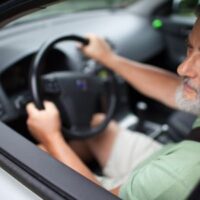
When a elderly driver mistakenly pressed the gas pedal instead of the brake, she smashed into a doctor’s office, pinning two patients in the waiting room under the vehicle. Those two people were hospitalized with severe injuries, while the 78-year-old driver who caused the incident remained unharmed. The tragedy brings a question to mind: when is it time to take the keys away from our beloved elders?
A Tough Problem
There is a certain level of independence provided by driving that is naturally cherished by many. If a concerned family member asks a parent or other elderly loved one to turn over the car keys, it is met with hesitancy by some, and full-on defiance by others. At what point should you insist that a parent, grandparent, or other senior citizen give up driving all together?
Indications There May be a Problem
As we age, physical regression and/or mental decline can contribute to serious problems:
- The elderly may struggle to lift their feet properly while moving or to walk at a normal pace, which could result in trips and falls. This often accords with a lack of fluency and speed in moving a foot from the gas pedal to the brake pedal.
- Aging individuals often deal with feebler muscles, slower reflexes, and tingling extremities, which can impact driving ability.
- Dementia can impact both memory and the ability to make decisions, often causing confusion and/or panic on the road.
- Turning one’s head and checking for traffic could become more difficult for senior drivers due to arthritis and stiffness.
- Vision difficulties can make it more challenging to read road signs, see things in the periphery, or even to recognize familiar places. Night vision may weaken, as well. Eye diseases such as cataracts, macular degeneration, and glaucoma can reduce vision, and certain medications can cause problems with vision.
- Difficulties with hearing can make it harder to hear and respond to train signals, sirens, and horns.
- Medications can cause lightheadedness and/or drowsiness.
- Medical conditions like Parkinson’s Disease and others can cause shaking that makes driving risky.
Measuring Skills Behind the Wheel
If you are having trouble convincing a loved one to stop driving, you should know that a well-known cognition test exists, the Montreal Cognitive Assessment, and it can reveal a person’s ability to focus on two things simultaneously as they work to solve a basic paper/pencil problem. There is another test that requires the individual to drive within the lane without crossing over the lines. It can indicate whether a driver makes a habit of checking their blind spot. Still another test involves touching a series of flashing lights as a machine flashes them one at a time. This test highlights whether a person is struggling with response time and hand-eye coordination.
Keep Everyone Safe
An unsafe driver is a danger to himself and others. No one wants to see an accident occur simply because a kindly older individual continued to get behind the wheel long after it was safe to do so. In addition to the harm caused, an accident could lead to a personal injury lawsuit. If you believe age was a factor in an accident and are considering pursuing such a suit, contact the experienced La Plata & Waldorf personal injury attorneys at The Law Office of Hammad S. Matin, P.A. today.
Source:
wmar2news.com/homepage-showcase/police-cite-78-year-old-driver-who-crashed-into-glen-burnie-doctors-office-seriously-injuring-two
